Henna has become an increasingly popular feature at college events, but with that popularity comes an important responsibility: presenting it thoughtfully and respectfully.
At The Henna Experience, we believe henna works best on campus when it is approached as both an art form and a cultural tradition.
That balance matters, especially in college environments where cultural awareness and inclusivity are important parts of programming decisions.
Henna has deep cultural roots
Henna traditions have existed for centuries across multiple cultures and regions, including parts of South Asia, the Mediterranean, the Middle East, and Africa.
Historically, henna has been connected to:
- Celebrations
- Weddings
- Milestones
- Spiritual traditions
- Community gatherings
- A way to beautify yourself
Today, henna continues to evolve globally while still carrying strong cultural significance for many people.
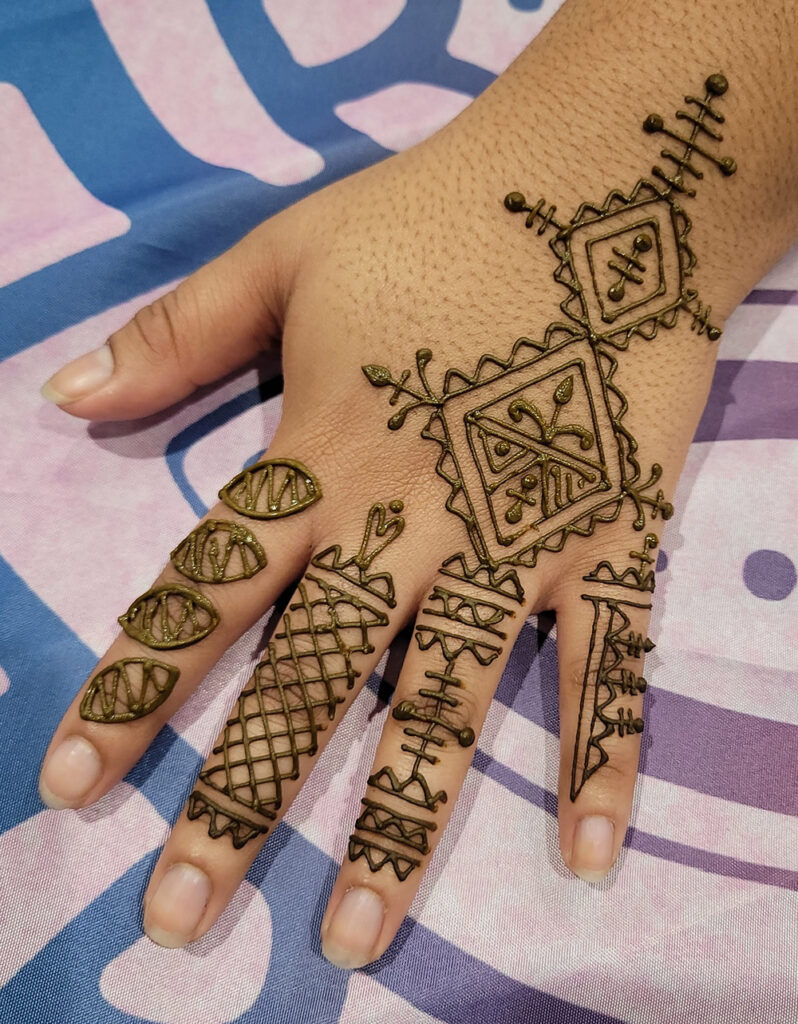
Acknowledging that history is an important part of presenting henna responsibly.
Respectful presentation starts with context
At campus events, students are often curious about henna beyond the designs themselves.
Simple, approachable educational context helps create a more meaningful experience without turning the event into a formal lecture or classroom setting.
This starts with educated henna artists that can talk about the following topics:
- Explaining what henna is
- Understanding the science and safety of henna
- Sharing where traditions originate (which is rarely where you think!)
- Discussing different artistic styles
- Understanding symbolism in henna
- Answering student questions respectfully
- Discussing their own journey into henna
In our experience, students respond very positively when cultural information is shared naturally and openly.
Cultural appreciation and accessibility can coexist
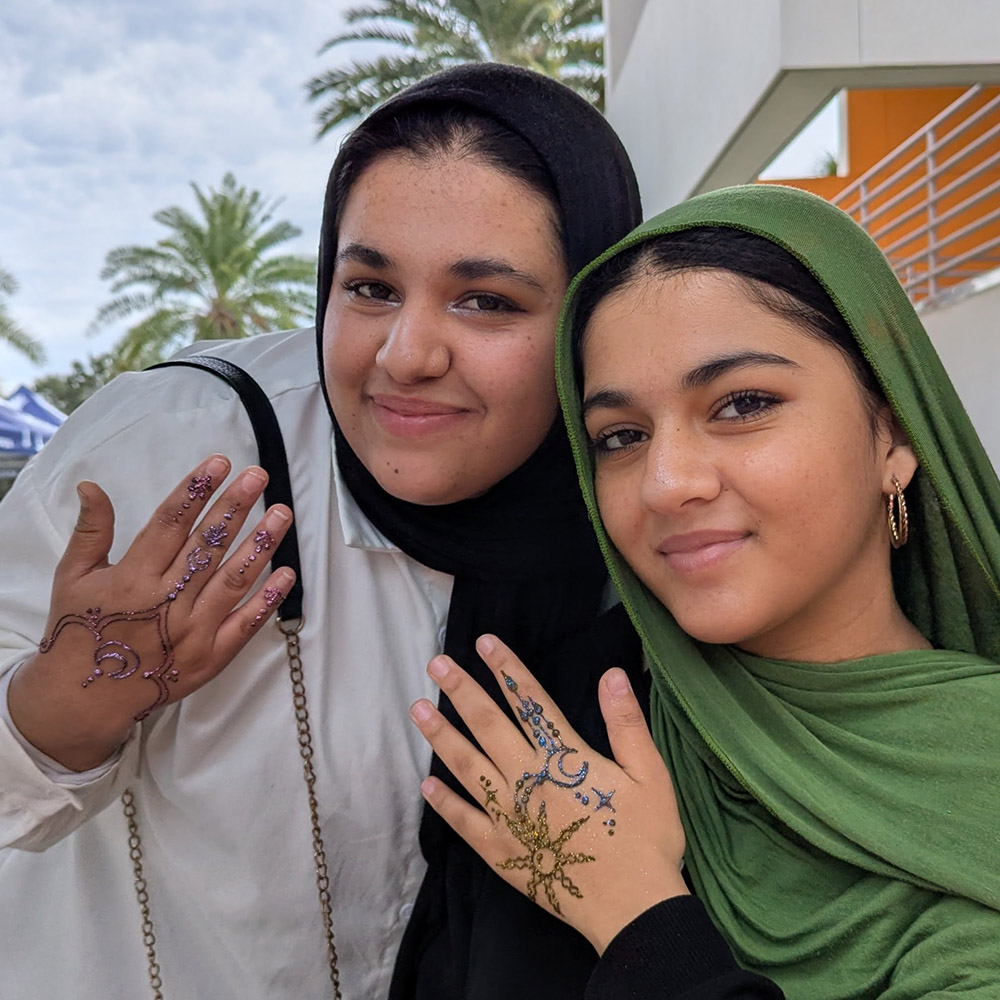
One concern some coordinators have is whether offering henna broadly at campus events is appropriate.
Respectful cultural appreciation and accessibility are an inclusive and celebratory event.
Henna has become a shared global art form in many settings, but the way it is presented matters. Thoughtful language, respectful artists, and accurate information are what create a positive environment.
Students are generally very receptive to experiences that are both interactive and culturally informed.
Henna creates opportunities for connection
One of the unique things about henna in a campus environment is that it sparks conversation naturally.
Students ask questions. They compare styles. They talk about traditions they grew up with or experiences they have had at home or while traveling.
That interaction is part of what makes henna valuable beyond the visual aspect alone.
It becomes both a creative activity and a point of cultural exchange.
One of my favorite moments at events is when a student from a culture where henna is part of everyday life comes up for a design. Being away from home, they often do not get many chances to enjoy henna, so it gives them a little taste of home while also sharing that tradition with their peers. I love seeing them light up as they text photos of their henna back home to family and friends.
Why campuses continue to embrace henna events
From a programming standpoint, henna offers something many activities struggle to achieve.
- Interactive
- Social
- Visually engaging
- Adaptable to different audiences
- Easy for students to participate in
When presented respectfully, it also adds meaningful cultural dimension to campus events without creating barriers to participation.
That combination is one reason henna continues to be requested across a wide variety of university programming.
At The Henna Experience, our goal is to create events that are welcoming, organized, and culturally respectful while still being fun and approachable for students.
Henna works best when students leave not only with a design they love, but with a greater appreciation for the art form itself.
For booking inquiries, visit EverythingButTheMime.com. Carol and Sheri will get you availability and quotes.