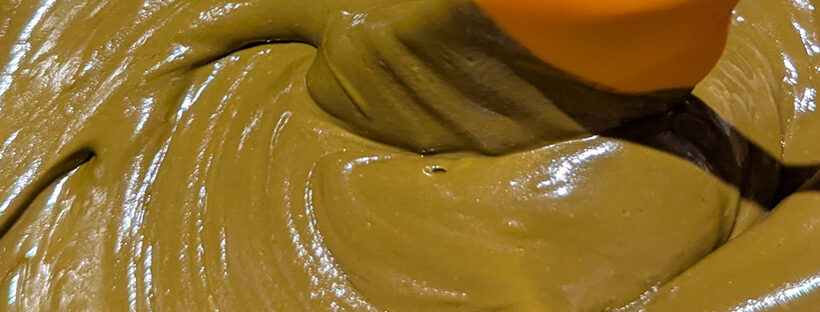
Freshy mixed ORa henna paste in a bowl with a spatula.

Is Henna Safe? What Campuses Need to Know

If you work in student health or wellness, safety is probably the first question on your mind before any campus activity gets approved, and henna should be no exception. It’s a fair question, especially with so much conflicting information online about “henna” that isn’t really henna at all. Here’s a clear breakdown of what natural henna actually is, what to watch out for, and what to ask before you sign off on any henna vendor.

Natural Henna vs. “Black Henna”

This is the single most important distinction, and it’s the source of almost every henna safety concern you’ve probably heard about. Natural henna is made from the dried, ground leaves of the henna plant, mixed into a paste with things like lemon juice and essential oils. It stains skin a reddish-brown color and has been used safely for centuries.

“Black henna,” on the other hand, isn’t henna at all. It’s a mix that often contains PPD (paraphenylenediamine), a chemical dye that can cause serious allergic reactions, chemical burns, and skin sensitization, sometimes permanently. Black henna is where nearly all the scary news stories and cautionary tales come from, and it’s exactly what a reputable henna artist won’t use.

When you’re vetting a vendor, ask directly what’s in their paste. A legitimate artist will tell you without hesitation, and the answer should sound like a short, recognizable list of natural ingredients, not a shrug.
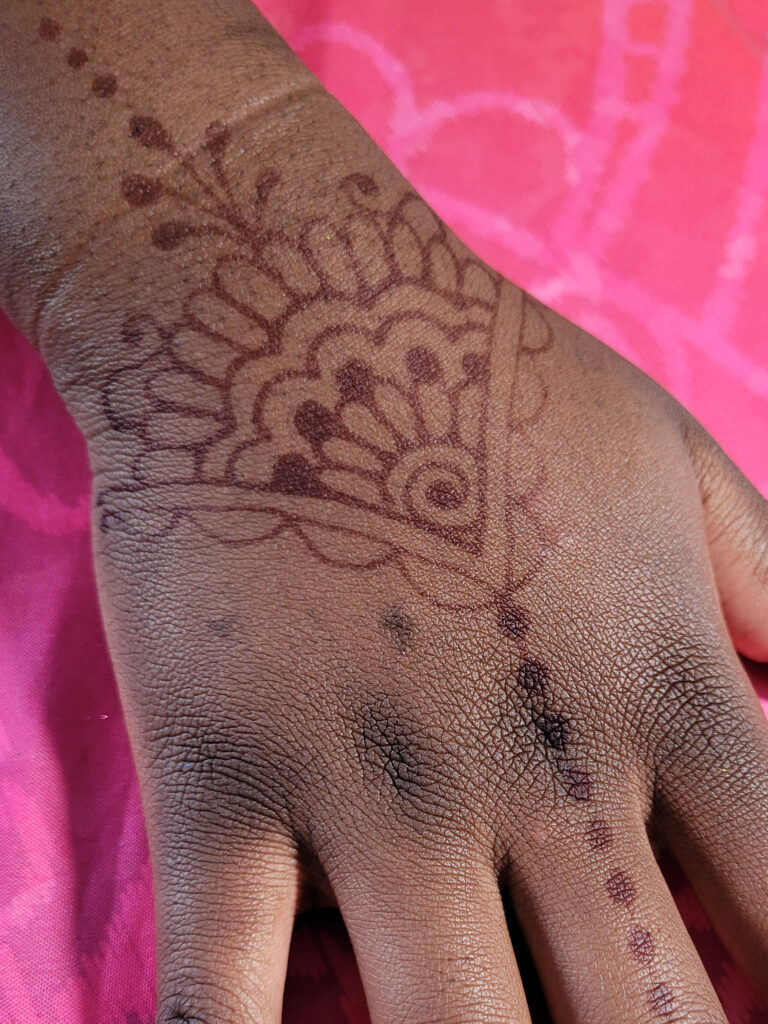
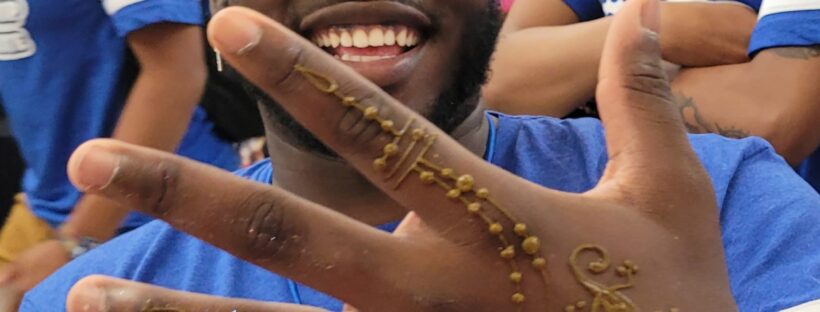
Burgundy henna stain on a hand with brown skin. Bright pink background.

Even brown/red henna can be unsafe, so it’s important to know that your artist is mixing henna themselves. Most premade henna available online or at ethnic grocery stores contain kerosene or gasoline to make them self stable. Safe henna is perishable and must be stored frozen.

What’s in Our Henna Paste

Our henna paste is made from henna powder, lemon juice, sugar, lavender oil, and tea tree oil. That’s it. No PPD, no chemical dyes, no shortcuts. It’s the same basic formula that’s been used in henna traditions for generations, and it’s what allows us to stand behind the safety of what we’re putting on students’ skin.

Allergies and Sensitivities

Even natural henna can occasionally cause a reaction in someone with a sensitivity, most commonly to the essential oils used in the paste rather than the henna itself. This is very rare. Ww use lavender and tea tree oils precisely because they are safe and common. If someone is sensitive to one of these oils, chances are they know it.

What to Ask Before You Book

A few good questions to have on hand when vetting any henna vendor for your campus:

  • What ingredients are in your henna paste?
  • Do you use anything labeled “black henna” or any pre-mixed cones?
  • How long have you been practicing henna?
  • Can you provide a COI. If an artist isn’t insured, you shouldn’t use them.

The answers should be specific, confident, and easy to follow. If a vendor gets vague or defensive about ingredients, do NOT hire them.

Health and wellness offices have every right to ask hard questions before signing off on any activity, and a legitimate henna artist should welcome that scrutiny, not avoid it. Being able to answer these questions clearly is part of what makes an event easy to approve and safe to run.

Ready to book?

If your office has safety questions before approving an event, Carol at Everything But the Mime can help coordinate details, or you’re welcome to ask us directly.

Book your event today!

Carol Studer | 407-856-2412
Carol@EverythingButTheMime.com
EverythingButTheMime.com

Making event entertainment easy for University and College events. Book this popular act today for a memorable body art experience.

Everything but the Mime logo for entertainment agency

Henna vs. Airbrush: A Campus Event Planner’s Guide

Henna vs. Airbrush Tattoos: Which Is Right for Your Campus Event?

If you’re planning a campus event and weighing your entertainment options, chances are henna and airbrush tattoos have both landed on your shortlist. They’re two of the most requested interactive experiences on college campuses, and for good reason: both are visual, personal, and give students something to show off after the event ends. But they’re not the same experience, and picking the right one (or the right combination) depends on your event, your budget, and what you want students walking away with.

What Makes Henna Different

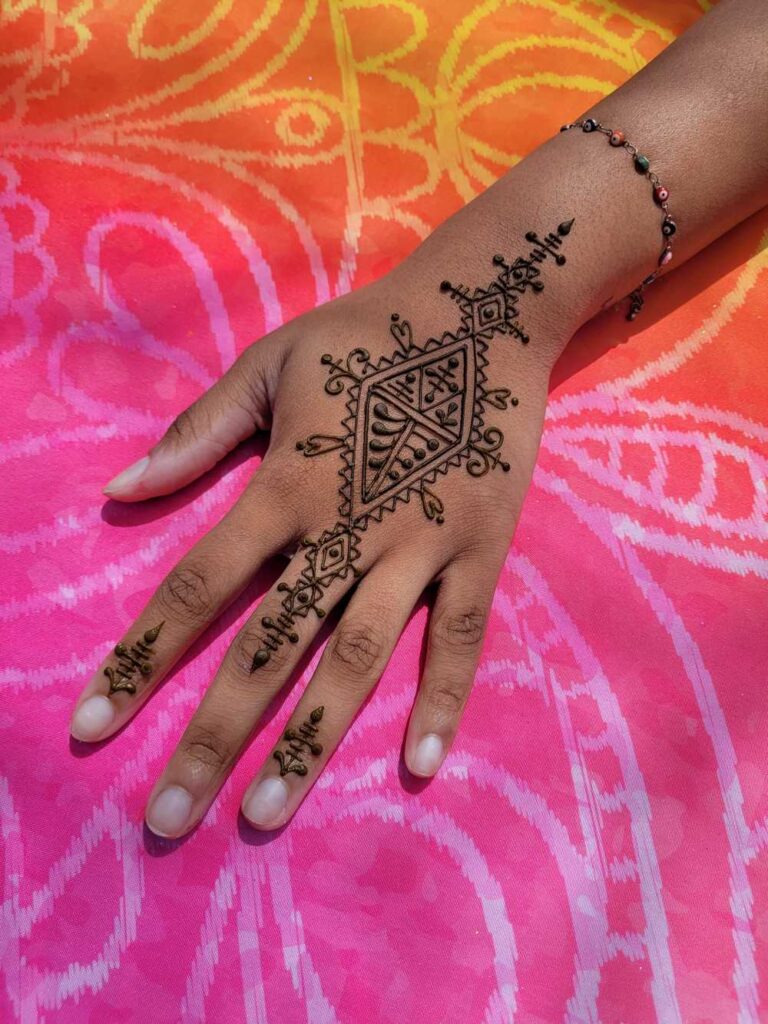
A Fessi Moroccan henna design on the top of a hand.

Henna is a temporary body art made from a plant-based paste, applied freehand in intricate designs that stain the skin. It’s rooted in centuries of cultural tradition across South Asia, the Middle East, and North Africa, which gives it a storytelling element that other body art doesn’t have. Students aren’t just getting a design, they’re getting a small window into a living tradition, and that context tends to stick with people.

Getting a little education with your novelty is a great bonus!

Henna also has staying power in a very literal sense. Depending on skin type and aftercare, a henna design can last one to three weeks, which means your event keeps generating conversation and visibility on campus long after the tables are packed up.

On the practical side, with the Henna Experience, henna moves faster than people expect. At a typical campus event, each design takes about 2 to 3 minutes (About 20 people per hour per artist), keeping the line steady and predictable for planning purposes. If there’s a lull, that time gets put right back into the designs: students who arrive during a quieter stretch get to enjoy a larger, more detailed piece. It’s a system that naturally adjusts itself to your event’s traffic, fast when it needs to be, more elaborate when there’s room for it.

Henna is also done freehand, so you aren’t limited to stencils. This makes the art very unique and personal to the student, and allows the freedom to match your event theme.

What Makes Airbrush Tattoos Different

Airbrush tattoos use a stencil and spray technique to apply temporary designs quickly, usually in bold colors and graphic styles. They tend to wash off within a few days, sometimes sooner, which makes them a lower-commitment option for students who want something fun without the longer-lasting stain.

Speed is the biggest advantage here. Airbrush artists can typically move through a line just as quickly and sometimes faster for very simple designs. If you’re expecting a high-traffic event with a short window, like a tabling event between classes, airbrush gives you another fast option to keep students moving through.

Where They Actually Overlap

Here’s the part planners don’t always realize: henna and airbrush aren’t competing for the same student. Some students want a design that lasts and carries meaning, others want something quick, colorful, and low commitment.

When you offer both, you’re not splitting your audience, you’re covering more of it.

Pairing them also solves a logistics problem. Instead of one long line, you can split that up into two shorter lines. Make the absolute most of your event and book more than one henna or airbrush artist.

Henna’s slightly longer per-student time and it’s popularity can create demand and traffic to your event, and having airbrush available alongside it gives more students a way to still walk away with some body art. It’s a natural flow: the henna table draws people in for the experience, the airbrush table keeps the line moving.

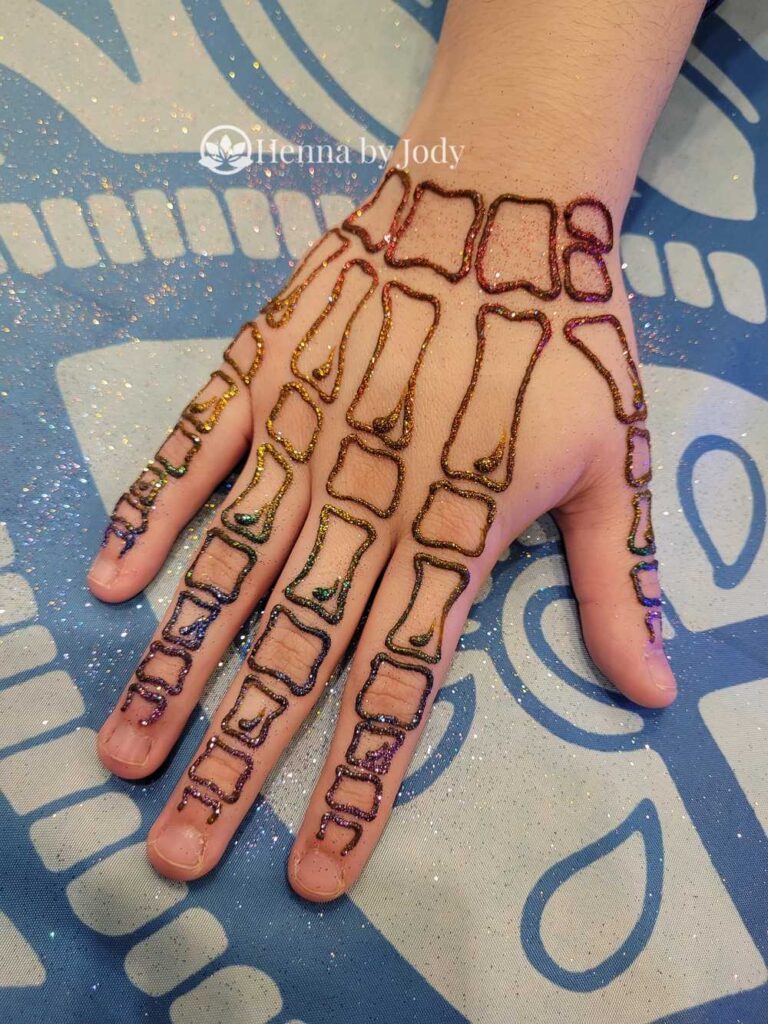
Skeleton hand henna for Halloween themed events.

For big draws like Welcome Week, Family Weekend, or multicultural programming events, having both on-site also just makes your event feel more robust. More variety, more reasons for students to stop by, more photo-worthy moments for your event recap.

So Which Should You Book?

If you are looking to drive traffic to your event and add an educational element, henna is the biggest bang for your buck. If you’re running a high-volume event with limited time per student and want something fast and colorful, airbrush might be a good fit on its own. And if you want to maximize turnout and give students real choice, running them side by side is worth the conversation.

There’s no wrong answer here, just the right fit for your event’s size, pace, and goals.

Ready to book?

Everything but the Mime logo for entertainment agency

Reach out to Carol at Everything But the Mime and she’ll help you figure out what makes sense for your event, whether that’s henna, airbrush, or both together.

Email her at carol@everythingbutthemime.com or call 407-856-2412.
You can also find everything at EverythingButTheMime.com.

Curious what type of henna designs you can get? Take a look at a range of themed designs at hennajody.com/themes/.